Types of Foot Shape: What Does Your Foot Say About You?
Quick answer: Foot shapes fall into two main categories — toe length patterns (Egyptian, Greek, Roman, and Germanic/Celtic) and arch height (neutral, flat, and high arch). Knowing your foot shape type helps you choose shoes that fit properly and prevent common foot problems like calluses, overpronation, and joint pain.
Not all feet are created equal. The shape of your foot — from the curve of your arch to the length of your toes—plays a big role in how you walk, what shoes fit best, and whether you're prone to discomfort over time. Understanding your specific foot type is the first step toward better comfort and smarter shoe choices.
Wearing the wrong shoes for your foot shape can lead to more than just blisters. Over time, poor fit contributes to calluses, joint pain, and alignment issues that affect your knees, hips, and lower back. Identifying your type of foot shape gives you a clear framework for choosing footwear with the right toe box width, arch support, and cushioning.
Types of Foot Shape: By Toe Length
Toe length patterns are one of the most recognizable ways to categorize foot shape types.
1. Egyptian Foot
The Egyptian foot is the most common type, found in roughly 70% of people. The big toe is the longest, and each subsequent toe tapers downward at a noticeable angle. People with Egyptian feet often do well in shoes with a slightly narrower, tapered toe box that follows this natural slope.
2. Greek Foot
With a Greek foot, the second toe extends longer than the big toe. This configuration places extra pressure on the ball of the foot, which can cause discomfort when wearing flat or unsupportive shoes. A roomy toe box and adequate cushioning are especially important for this foot shape type.
3. Roman (Square) Foot
The first three toes on a Roman foot are roughly the same length, giving the front of the foot a wide, boxy appearance. People with this type of foot often need shoes with a wider, squared toe box to avoid pinching and nail damage.
4. Germanic / Celtic Foot
Similar to the Egyptian shape, the Germanic/Celtic foot has a longest big toe — but the second, third, and fourth toes are all nearly equal in length. This gives the foot a broader, flatter profile across the middle toes.
Types of Foot Shape: By Arch Height
Arch height affects how your foot absorbs impact and distributes weight with each step.
Neutral (Normal) Arch
A neutral arch has a moderately visible curve that provides natural shock absorption. Most standard footwear is designed with this arch type in mind, making it the most versatile foot shape for shoe selection.
Flat Arch (Pes Planus)
A flat arch, also called pes planus, means the arch is low or makes full contact with the floor. This often causes the foot to roll inward while walking — a condition known as overpronation. Supportive insoles and motion-control shoes can help correct alignment for flat-footed individuals.
High Arch (Pes Cavus)
A high arch, or pes cavus, is unusually rigid and elevated. This places concentrated pressure on the heel and the ball of the foot, increasing the risk of stress fractures and foot fatigue. Cushioned, flexible footwear with extra arch support is typically recommended.
Finding the Perfect Pair: Why Foot Shape Matters for Shoe Selection
Once you know your type of foot shape, shopping for shoes becomes a much more informed process. Someone with a Greek foot and flat arch, for example, needs both a wide toe box and strong arch support—two features that narrow the field considerably. Someone with an Egyptian foot and high arch will prioritize cushioning and a shoe that cradles the arch without adding pressure.
Getting this right isn't just about comfort in the moment. It's about protecting your long-term joint health and keeping you moving without pain.
Step Toward Comfort at Humphrey's Bootery
Understanding your foot shape type is helpful—but having an expert in your corner makes all the difference. At Humphrey's Bootery, our team is trained to assess your foot shape and recommend footwear that fits the way your feet actually work.
Ready for shoes that feel as good as they look? Visit Humphrey's Bootery in-store or browse our collection online to find your perfect fit.
Frequently Asked Questions
What are the main types of foot shape?
Foot shapes are categorized by two features: toe length (Egyptian, Greek, Roman, and Germanic/Celtic) and arch height (neutral, flat, and high arch). Most people have a combination of one toe type and one arch type.
How do I know what type of foot shape I have?
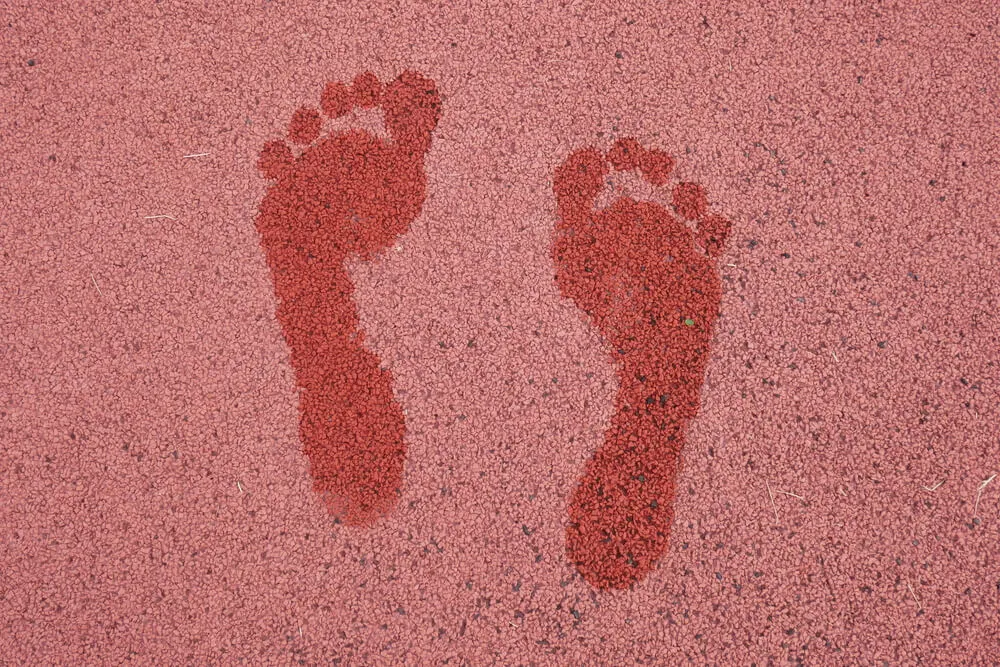
Look at the length of your toes relative to one another to identify your toe type. To check your arch, wet the bottom of your foot and step on a piece of paper — a full footprint indicates a flat arch, a very narrow connection between heel and toe suggests a high arch, and a moderate curve signals a neutral arch.
Does foot shape affect which shoes I should buy?
Yes. Your foot shape type directly influences which toe box width, arch support level, and sole flexibility you need. Wearing shoes designed for a different foot shape can cause pain, blisters, and long-term joint issues.
What foot shape is most common?
The Egyptian foot — where the big toe is the longest — is the most common type, present in approximately 70% of people, according to foot health research.
Can foot shape change over time?
Arch height can change, particularly with age, weight fluctuations, or pregnancy. Flat feet, for instance, can develop in adulthood even if you previously had a neutral arch.