How Often Should You Replace Your Everyday Shoes?
You should generally replace everyday shoes every 3 to 6 months, or after 300 to 500 miles of walking. However, the exact timeline depends on your daily activity level, your occupation, and whether you rotate multiple pairs of shoes to allow the foam cushioning to properly decompress and dry out.
We ask a lot of our footwear. From navigating morning commutes to standing through long shifts, the footwear we choose bears the brunt of our body weight and the hard surfaces we traverse. Many people wait until their sneakers are literally falling apart before buying a new pair. Unfortunately, wearing out everyday shoes to the point of structural failure can lead to significant physical discomfort.
The hidden deterioration of midsoles and outsoles directly impacts foot health. When the supportive materials inside everyday shoes degrade, your feet, knees, and lower back are forced to absorb extra shock. Over time, this lack of support alters your natural walking gait, leading to muscle imbalances, joint pain, and conditions like plantar fasciitis.
Replacing everyday shoes before they cause physical pain is a crucial step in maintaining your overall health and mobility. By understanding exactly when footwear expires, you can protect your body from unnecessary strain.
How Many Months Do Everyday Shoes Usually Last?
The lifespan of everyday shoes depends heavily on how active you are and the specific conditions they endure. Below are the recommended timelines for replacing everyday shoes based on specific usage patterns:
1. Everyday walking and casual wear
For individuals who wear the same pair of shoes for errands, light walking, and weekend activities, the general rule is to replace them every 6 to 12 months. Casual usage exerts less constant pressure on the foam cushioning. This allows the materials to retain their shape for a slightly longer period.
2. Jobs requiring constant walking or standing
Professionals working in retail, healthcare, hospitality, and construction subject their footwear to intense, continuous strain. If you spend eight or more hours on your feet daily, replacing everyday shoes every 3 to 6 months is highly recommended. The constant compression forces the midsoles to lose their shock-absorbing properties much faster than casual wear.
3. Athletic and running shoes
Runners and highly active walkers should measure shoe lifespan in mileage rather than months. Athletic shoes should be replaced every 300 to 500 miles. For someone using their shoes for daily exercise, this typically translates to 4 to 6 months of use. Tracking your weekly mileage provides a highly accurate metric for knowing exactly when it is time to upgrade.
What are the Clear Signs for Replacing Everyday Shoes?
Do not wait for visible holes to appear before evaluating the health of your footwear. Hidden structural damage often occurs long before the exterior material tears. Here are the four primary signs that indicate you are wearing out your everyday shoes and need an immediate replacement.
4. Compressed cushioning inside the shoe
The inner foam of a shoe is designed to absorb the shock of your foot striking the ground. Over time, this material compresses and loses its rebound. If you notice new aches in your lower body, your midsoles might be completely dead.
A simple test is to press your thumb into the center of the shoe's interior; if the material feels rock hard or fails to spring back, the cushioning is compromised.
5. Worn-out tread on the outsole
The bottom rubber of a shoe provides traction and promotes an even walking stride. If the tread is completely smooth, or if the heel is visibly worn down on one specific side, the shoe will force your foot to strike the ground unevenly. This asymmetrical wear directly alters your natural gait, creating muscle imbalances that travel up your legs and into your back.
6. Loss of structural support
A healthy shoe securely holds the foot in place. The heel counter, which is the stiff cup at the back of the shoe, should remain rigid. If the heel counter feels flimsy, or if you can easily fold and twist the entire shoe in half with minimal effort, the footwear lacks the necessary structural support to protect your feet.
7. Visible damage to the exterior
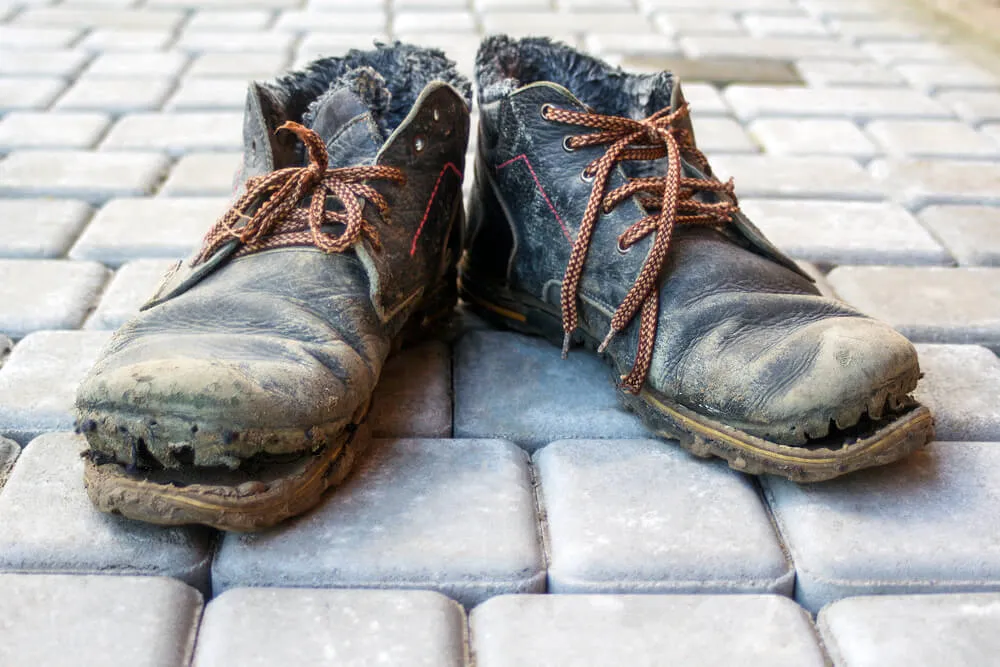
While hidden damage is the primary culprit for joint pain, severe exterior deterioration is an obvious indicator that a shoe is past its prime. Holes in the upper fabric, fraying laces, or visible separation between the sole and the shoe material mean the footwear is completely compromised.
How Can You Extend the Life of Your Everyday Shoes?
If you wear the same pair of shoes every single day, sweat and environmental moisture cause the inner materials to degrade at an accelerated rate. Furthermore, constant daily use never allows the foam cushioning to properly decompress.
The most effective strategy to maximize shoe longevity is to rotate between two pairs of everyday shoes. Giving each pair a 24- to 48-hour break allows the internal moisture to dry out completely and gives the EVA foam time to bounce back to its original shape.
Rotating your footwear will significantly increase the total lifespan of both pairs, ensuring you get the maximum value out of your investment.
Frequently asked questions about wearing out everyday shoes
Why does wearing dead shoes cause back pain?
When the shock-absorbing foam in your shoes compresses entirely, the impact of every step transfers directly into your heels, travels up your shins, and radiates into your lower back. This lack of shock absorption strains your lumbar spine over time.
Can I fix worn-out treads on my everyday shoes?
While cobblers can resole high-end leather boots or dress shoes, the rubber outsoles and integrated foam midsoles of standard everyday sneakers cannot be effectively repaired. Once the tread is gone, replacing everyday shoes is the only safe option.
Does shoe weight indicate a loss of support?
No, shoe weight does not directly correlate with support. Modern everyday shoes use extremely lightweight foams that provide excellent support. The best test for support is checking the rigidity of the heel counter and the flexibility of the midfoot.
Step into better footwear at Humphrey's Bootery
Understanding the lifespan of your footwear is the easiest way to prevent avoidable joint pain and foot fatigue. By tracking your shoe usage, recognizing the early signs of compressed cushioning, and implementing a smart rotation strategy, you can keep your feet healthy and comfortable all year long.
If your current footwear is showing signs of smooth tread, weak heel counters, or dead foam, it is time for a serious upgrade. Don't let worn-out shoes hold you back from your daily activities. Visit Humphrey's Bootery today to explore our extensive collection of supportive, high-quality footwear. Our experts at Humphrey's Bootery are ready to help you find the perfect fit to keep you moving comfortably.