Is It Time to Replace Your Running Shoes? Here Are the Signs
Every runner knows the incredible feeling of lacing up a brand-new pair of sneakers. The foam is springy, the grip is secure, and your stride feels effortless. Over time, however, that plush cushioning and snappy response inevitably fade. Understanding the right time for replacing your running shoes is essential for maintaining your peak performance and keeping frustrating injuries at bay.
While holding onto a beloved pair of sneakers is tempting, running in worn-out gear forces your joints and muscles to absorb more impact. Let's explore the crucial signs that indicate you need a running shoe replacement, from mileage tracking to physical symptoms. If you need new running shoes, Humphrey’s Bootery can help you find the athletic footwear you need.
How often should you replace running shoes?
Most running shoes are commonly replaced after approximately 300 to 500 miles, depending on the shoe type, running surface, and wear patterns.
The Mileage Rule: How Far Is Too Far?
The most common guideline in the running community is the 300 to 500-mile rule (roughly 500 to 800 kilometers). For a regular runner, this usually translates to swapping out your footwear every four to six months.
However, this mileage window heavily depends on the specific type of shoe you wear. Lightweight racing shoes are built for speed rather than durability, meaning they might need replacing closer to the 250 or 300-mile mark.
On the other hand, sturdy daily trainers feature robust rubber outsoles and dense foam, allowing them to comfortably push toward 500 miles.
Visual Clues: Physical Signs of Wear
You don't need to keep a meticulous running log to know when your gear is failing. A quick visual inspection often tells you everything you need to know.
Midsole Fatigue
The midsole is the thick layer of foam that provides cushioning and energy return. When a shoe is nearing the end of its life, this foam will feel completely "lifeless" and lose its signature bounce. You might also notice deep, permanent creases forming along the sides of the foam.
Outsole Wear
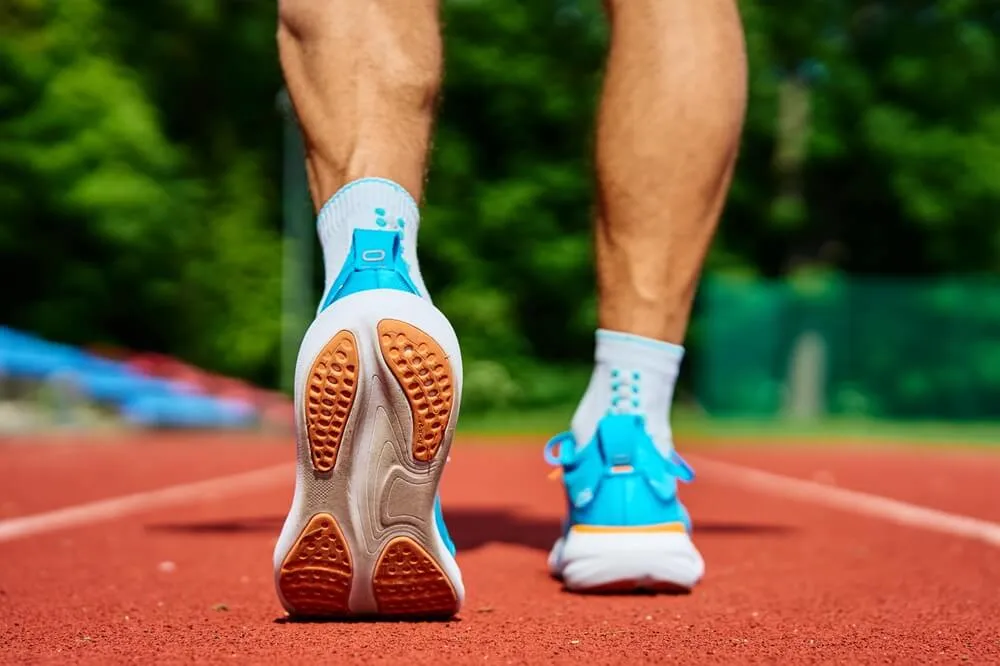
Flip your sneakers over and examine the rubber tread on the bottom. If the tread is worn down flat — especially if it is wearing unevenly on one specific side — it is a clear sign that the shoe can no longer provide proper traction or structural support.
Upper Degradation
The fabric upper of your shoe secures your foot in place. As miles accumulate, this material stretches and degrades. If your foot slides around or the shoe simply feels loose and unsupportive, the structural integrity is compromised.
Listen to Your Body: Physical Symptoms
Sometimes, your body alerts you to a problem before your shoes show visible damage. If you suddenly start experiencing new, unexplained aches in your feet, shins, knees, or hips, your footwear is likely the culprit.
Flattened cushioning forces your body to absorb the shock of each footstrike. Additionally, unexpected blisters or hot spots can indicate that the shoe's interior lining has worn away or the upper has stretched out of shape. Always listen to your body; fresh aches are a major red flag.
The Clock Is Ticking: Time-Based Degradation
What if you bought a pair of sneakers, ran in them a few times, and left them in the closet for a year? Unfortunately, running shoe foam breaks down over time, even when left completely unused. After one to two years, the EVA or polyurethane foam naturally oxidizes and hardens, meaning those older shoes will feel stiff and unresponsive on the road.
How to Make Your Shoes Last Longer
Running shoes are an investment. Fortunately, you can extend their lifespan with a few simple habits:
- Rotate your pairs: Staggering two pairs of running shoes gives the foam at least 24 to 48 hours to fully decompress and recover between your workouts.
- Limit their use: Reserve your running shoes strictly for running. Walking the dog, running errands, or lifting weights in them will needlessly accelerate tread and midsole wear.
- Consider your surface: Pounding the pavement on hard asphalt will grind down your outsoles much faster than logging miles on soft dirt trails or a rubberized treadmill.
Step Into Your Next Great Run
Tracking your mileage, checking for physical wear, and paying attention to sudden joint pain are the best ways to know when it is time to upgrade. Running in fresh footwear keeps you comfortable, prevents injuries, and makes your daily miles much more enjoyable.
If your current sneakers are showing their age, we are here to help. Visit Humphrey's Bootery for expert advice, professional fittings, and a wide selection of the best new running shoes on the market. Let our team help you find the perfect fit for your next training block!