The Best Shoes for Flat Feet: A Complete Guide
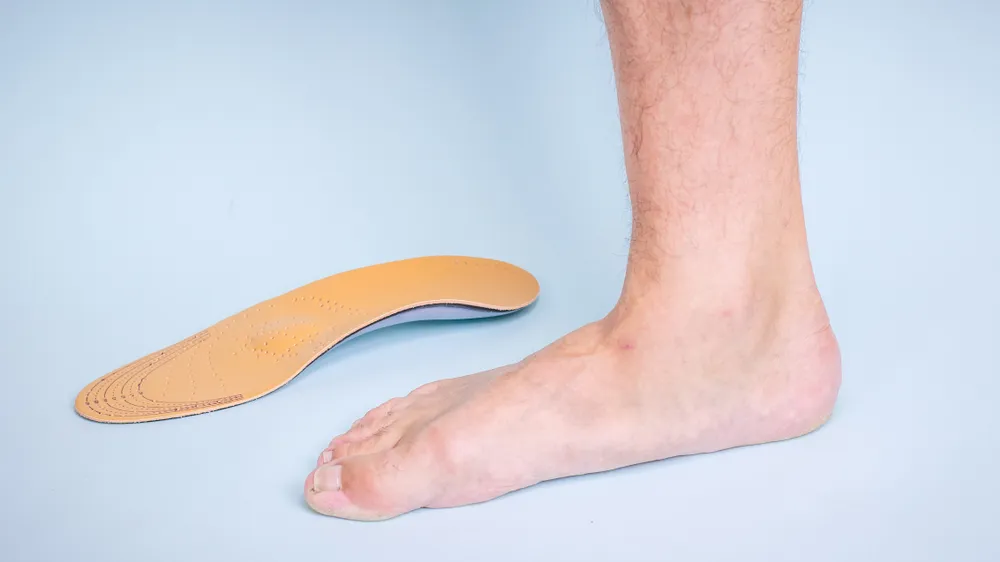
Millions of people walk through life with flat feet, often unaware that their footwear may be contributing to their daily discomfort. Flat feet occur when the arches on the inside of your feet flatten, allowing the entire soles of your feet to touch the floor when you stand up. This common condition can lead to a variety of issues, from mild fatigue to severe joint pain.
When your arches collapse, your feet tend to roll inward — a condition known as overpronation. Overpronation alters your natural alignment, placing excess stress on your ankles, knees, and lower back. Consequently, selecting the right footwear is essential for maintaining proper posture and preventing long-term injuries.
Just as certain people require specialized shoes for high arches to absorb shock, individuals with flat feet need footwear specifically designed to provide stability and lift. Wearing proper shoes for flat feet can significantly reduce pain, improve mobility, and enhance your overall quality of life. Humphrey’s Bootery will help you understand what features to look for and what to avoid when shopping for your next pair.
Key Features of Shoes for Flat Feet
Finding the right footwear requires understanding the mechanics of your feet. The best shoes for flat feet typically include stability and motion-control features. Here are the specific components you should look for.
1. Strong, Built-in Arch Support
Firm arch support is the most critical feature for anyone dealing with fallen arches. Proper support lifts the arch, limiting the strain on your foot muscles and preventing the foot from rolling inward excessively. This built-in structure helps distribute your body weight more evenly across the foot.
2. Firm Heel Counter
The heel counter is the rigid cup located at the back of the shoe. A structured, firm heel counter keeps your heel locked in place. By providing robust support to the rear foot, it reduces unwanted movement, prevents slipping, and ultimately decreases foot fatigue during long days on your feet.
3. Wide Base for Stability
People with flat feet often require a broader foundation. A wide base provides the necessary stability to manage overpronation. Motion-control shoes frequently utilize a straight last — meaning the bottom of the shoe is relatively straight from heel to toe — to offer maximum ground contact and support.
4. Cushioned and Supportive Design
While firmness is necessary for alignment, cushioning is vital for comfort. Look for shoes that combine a firm midsole with adequate cushioning. This combination absorbs the impact of walking or running while actively preventing your arches from collapsing under your weight.
5. Wide Toe Box for Comfort
Flat feet tend to spread out more than arched feet, making a wide toe box essential. A spacious front section prevents your toes from feeling cramped or pinched. This extra room reduces the risk of developing blisters, bunions, and other painful toe conditions.
6. Removable Insoles for Orthotics
Sometimes, off-the-shelf shoes do not provide enough support for severe cases of flat feet. Purchasing shoes with removable insoles is a smart strategy. This feature allows you to easily swap out the factory inserts for custom orthotics prescribed by a podiatrist.
Recommended Types of Shoes by Activity
Your footwear needs change based on your daily activities. Wearing the correct type of shoe for the specific task at hand ensures continuous support and protection.
For Walking and Daily Use
Everyday activities require consistent, reliable support. Orthopedic-style comfort shoes or structured sneakers are excellent choices for daily wear. These options typically feature the necessary arch support and a firm midsole to keep your feet comfortable during errands, work, or casual strolls.
For Running and Exercise
High-impact activities demand specialized footwear. If you enjoy jogging or hitting the gym, look for stability running shoes with good cushioning. These athletic shoes are engineered to guide your foot through a natural stride while controlling the inward roll caused by overpronation.
For Hiking
Navigating uneven terrain places immense stress on your ankles and arches. Hiking boots that provide comprehensive ankle stability and a rigid sole are essential. A sturdy boot will protect your feet from rocks and roots while maintaining the structural support flat feet require on the trail.
What to Avoid When Choosing Shoes for Flat Feet
Knowing what not to wear is just as important as knowing what to buy. Certain shoe designs can exacerbate the pain associated with flat feet.
Excessive Flexibility
Shoes that easily bend in half or twist are detrimental to flat feet. High flexibility in the arch area means the shoe lacks the structural integrity needed to support your foot. Always opt for footwear that resists bending in the middle.
Flat Shoes Without Structure
Standard sandals, ballet flats, and simple flip-flops offer zero support. These completely flat styles force your foot muscles to work overtime, leading to quick fatigue and sharp pain. If you want to wear sandals, choose orthopedic variations with built-in contoured footbeds.
Shoes That Are Too Narrow
A narrow shoe will squeeze a flat foot, causing friction and restricting natural movement. Avoid footwear that pinches the sides of your feet or cramps your toes. Always ensure the shoe accommodates the natural width of your footprint.
The Importance of Professional Fitting
Understanding the features of supportive footwear is a great start, but finding the perfect fit often requires expert assistance. Everyone's feet are unique, and what works for one person may not work for another.
Visiting a specialized bootery is crucial for your foot health. Experts can measure your feet accurately, assess your gait, and identify your specific level of pronation. At Humphrey's Bootery, our trained professionals understand the biomechanics of the foot.
We take the guesswork out of shoe shopping by guiding you toward the exact models that match your needs. We ensure the heel counter is snug, the arch support hits at the right spot, and the toe box offers ample room.
Step Into Comfort Today
Living with flat feet does not mean you have to endure chronic pain. By prioritizing footwear with strong arch support, a firm heel counter, and a stable base, you can correct overpronation and protect your joints. Remember to choose the right shoe for your specific activity and avoid excessively flexible or entirely flat options.
Taking care of your feet is an investment in your overall health. If you are struggling to find the right fit or experiencing discomfort, we are here to help. Visit Humphrey's Bootery today for a professional fitting and let our experts match you with the perfect pair of supportive shoes.