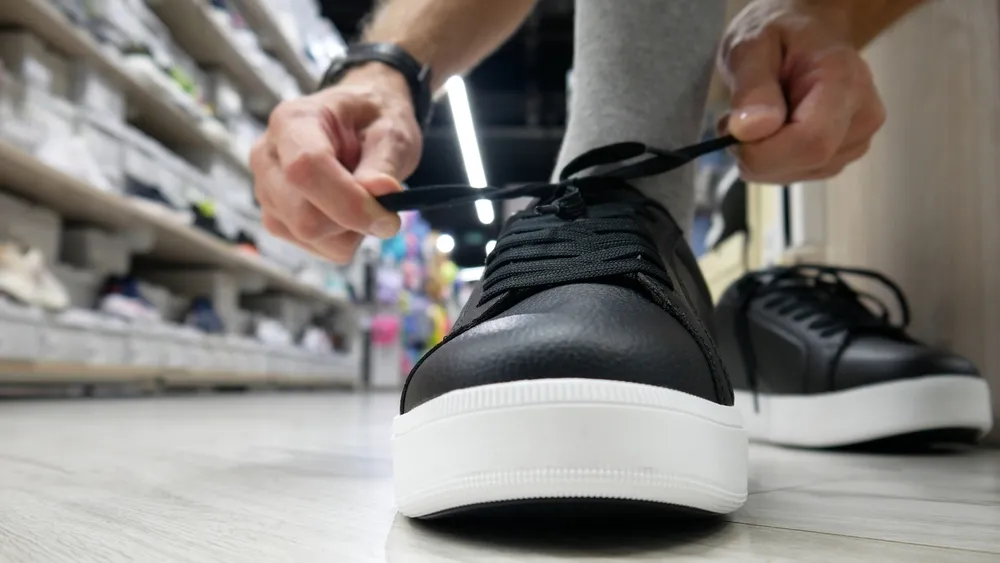
Avoid Foot Pain When Transitioning to New Shoes
Buying a fresh pair of footwear brings a unique sense of excitement. You unbox them, admire the pristine material, and anticipate how great they will look with your favorite outfits. Unfortunately, that initial thrill often fades the moment you step outside and realize your heels are blistering.
Experiencing foot pain during the break-in period is common among many people. Stiff materials and rigid soles can turn a beautiful pair of shoes into a miserable experience. However, enduring discomfort is not a mandatory part of wearing new footwear. Establishing a smooth transition is essential for your overall foot health and helps extend the longevity of your shoes.
Understanding Foot Pain from New Shoes
Most foot pain associated with fresh footwear stems from a few standard culprits. Stiffness in the material, constant rubbing against the skin, and an incorrect fit are the primary offenders. When materials like leather or dense synthetics have not yet molded to the shape of your feet, they create friction points.
A gradual transition is crucial because it gives the structural components time to soften and adapt to your unique arch and gait. Rushing this process forces your feet to take the brunt of the rigid material, resulting in blisters, calluses, and aching arches.
7 Key Techniques for a Pain-Free Transition
You can actively manage the break-in process using a few proven strategies. Incorporate these techniques to soften the materials safely.
1. Gradual Indoor Wear
Start slow by wearing your new shoes around the house for short, 20- to 30-minute sessions. Gradually increase the duration each day. This controlled environment allows you to take them off immediately if you feel pressure building.
2. The Thick Sock Method
Wear a pair of heavy winter socks with your new shoes while walking around your home. The extra bulk gently stretches tight areas without causing friction directly against your bare skin.
3. Heat Treatment
If you purchased leather footwear, a hairdryer can speed up the softening process. Apply low heat for 20 to 30 seconds to warm up tight spots, then walk in the shoes until the material cools and sets to the shape of your foot.
4. Freeze Method
Place sealable bags filled with water inside the shoes and put them in the freezer. As the water freezes and expands, it acts as an internal stretcher, slowly expanding tight toe boxes or narrow widths.
5. Protecting "Hot Spots"
Identify the areas prone to rubbing, such as your heels and the sides of your toes. Apply blister pads, protective tape, or barrier balm to these hot spots before you start walking to prevent painful friction.
6. Manual Manipulation
Sometimes, the sole or toe box is simply too stiff out of the box. Gently bend the toe box upward and flex the sole by hand to break in the rigid components before you even put them on.
7. Using Shoe Stretchers and Inserts
Insert wooden shoe trees or mechanical stretchers to expand the material gradually over a few days. Additionally, adding cushioned insoles or heel pads improves comfort and alters the fit slightly to prevent rubbing.
Specific Advice for Different Shoe Types
Different footwear requires slightly tailored approaches to ensure maximum comfort.
Running Shoes
Do not run a 5K on the first day. Start with short walks or brief exercise sessions. Alternate wearing your new shoes with your old pair to give your feet time to adjust to the new support structure.
Minimalist Shoes
Transitioning to minimalist footwear requires a highly structured plan. Use a 10-week schedule, starting with short 10- to 15-minute sessions. Slowly increase your weekly mileage to allow your foot muscles and Achilles tendon to adapt safely.
Additional Tips for Success
Even the best break-in methods will fail if the shoe is fundamentally wrong for your foot. Ensure you have the correct fit from the start. Breaking in a shoe can soften materials, but it cannot fix footwear that is entirely too small or narrow.
Applying moisturizing lotion to your feet before wearing new footwear can also significantly reduce friction against the skin. If foot pain persists despite taking these precautions, it may be time to seek professional help from a podiatrist to check for underlying structural issues.
Step Out in Comfort with Humphrey's Bootery
Finding the perfect fit from day one is the easiest way to avoid the dreaded break-in period. If you are looking for new shoes in and near Shavertown, PA, visit Humphrey's Bootery. Our expert staff will help you find the ideal size, width, and style to keep your feet healthy and pain-free. Stop by today to explore our premium selection.